

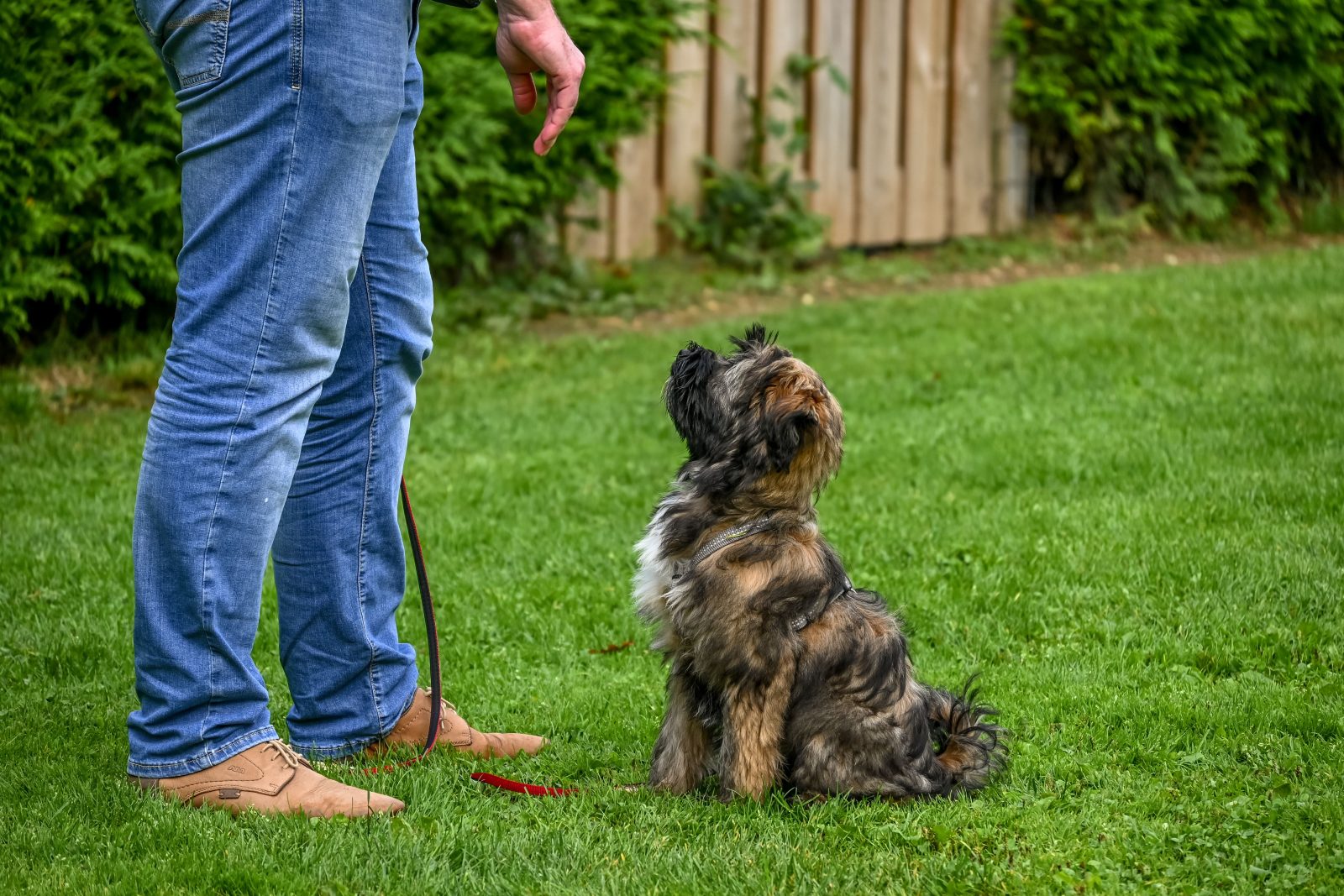
Have you ever wished that your dog would listen to your commands as perfectly as the dogs you see on TV shows?
Well, here’s the ultimate guide to effective dog training: how to train your dog at home, ensuring that your precious pet becomes as obedient and joyful as those canine stars. Training your dog might seem daunting at first, but with the right techniques and consistent practice, it can actually turn into a fun and gratifying experience for both you and your dog. Let’s break down these steps into something very simple, making sure everyone can understand and apply them easily.
Step 1: Setting Up for Success
First things first, make sure you have everything you need. A collar and leash are essential tools, and treats are your best friend during this process. Treats are like gold for most dogs – they’ll do just about anything for a tasty bite! Also, choose a quiet place with few distractions. This makes learning easier for your dog, especially in the early stages.
Step 2: The Basics of Obedience
Start with simple commands like “Sit,” “Stay,” “Come,” and “Heel.” These are the foundation of your dog’s training. Here’s how to teach “Sit”:
- Hold a treat close to your dog’s nose.
- Move your hand up, allowing their head to follow the treat and causing their bottom to lower.
- Once they’re in the sitting position, say “Sit,” give them the treat, and share some affection.
Repeat this several times each day. It’s about making these steps a regular part of your day. Short, frequent sessions are better than long, infrequent ones.
Step 3: Building on the Basics
After mastering the basic commands, gradually move to more complex ones like “Shake,” “Roll Over,” or “Fetch.” It’s important to build on prior learning and keep challenging your dog, but always at a pace they are comfortable with.
Step 4: Consistency Is Key
Consistency is crucial in the ultimate guide to effective dog training: how to train your dog at home. Always use the same words for commands, and make sure everyone in your home does the same. This prevents confusion and helps your dog learn quicker. Also, be consistent with rewards and discipline. Never punish your dog harshly. Instead, use a firm “No” to indicate they’ve made a mistake and guide them to the correct behavior.
Step 5: Patience and Positive Reinforcement
Patience is your best friend during this process. Some days will seem like you’re not making progress, but don’t get discouraged. Dogs can sense frustration, which might make them feel anxious or nervous. Keep training sessions upbeat and end them with a playtime or a little extra affection so your dog always looks forward to them.
Positive reinforcement, which means rewarding your dog for good behavior, is far more effective than punishment for bad behavior. Treats, belly rubs, and verbal praises can do wonders for your dog’s learning.
Frequently Asked Questions
Q: How long should training sessions be?
A: Keep training sessions short and sweet, typically 5-10 minutes, so your dog doesn’t lose interest or become overburdened.
Q: What should I do if my dog doesn’t follow a command?
A: Go back to the basics. Make sure the command is understood and practiced in simpler conditions before trying again in more distracting scenarios.
Q: How do I know if I’m using the right treats?
A: Look for something that your dog goes crazy over. The more they love the treat, the harder they will work to earn it.
In Conclusion
Remember, the journey of training your dog at home using the ultimate guide to effective dog training should be enjoyable and filled with learning opportunities for you and your dog. Celebrate small victories together and consistently reinforce the behaviors you want to encourage. Before you know it, your dog will be following commands and you’ll both be having a great time together. Keep it simple, stay patient, and enjoy every step of this wonderful journey!