

Best Cat Food for Indoor Cats: Optimal Nutrition Secrets Unveiled
Have you ever watched your indoor cat bask in a sliver of sunlight, content in its warm patch despite the world bustling outside? This simple pleasure mirrors the needs of their diet – subtly complex and critically important for their health and happiness. The nutritional needs of indoor cats can differ significantly from their outdoor counterparts, owing primarily to their less active lifestyles and unique health requirements. In this guide, we will dive into the nuances of choosing the best cat food for indoor cats, ensuring your feline friend thrives in its serene indoor environment.
Choosing the ideal cat food involves more than just opting for the highest-rated brand or the one your neighbor recommends. You need to consider factors like nutritional content, ingredients, and special health considerations unique to indoor cats such as weight management and hairball control. Moreover, providing your pet with a diet that closely mimics what their species has evolved to digest can lead to a longer and more vibrant life.
Why should you trust us? Because after accumulating knowledge from various feline nutrition experts and continually updating our database with the latest research, we’ve created a comprehensive list that not only focuses on dietary benefits but also considers feline palatability and owner feedback. This article embodies all our knowledge, tailored specifically for your indoor cat’s dietary needs.
Top 3 Best Cat Foods for Indoor Cats
Introduction to Our Top Picks
Our selection process was rigorous, focusing on nutritional balance, ingredient quality, and specific health benefits crucial for indoor cats. Each product has been assessed based on its ability to meet the lower energy needs of less active indoor cats while preventing common issues such as obesity and urinary tract problems. Let’s explore each option to find the perfect match for your pet.
1. Blue Buffalo Indoor Health Natural Adult Dry Cat Food
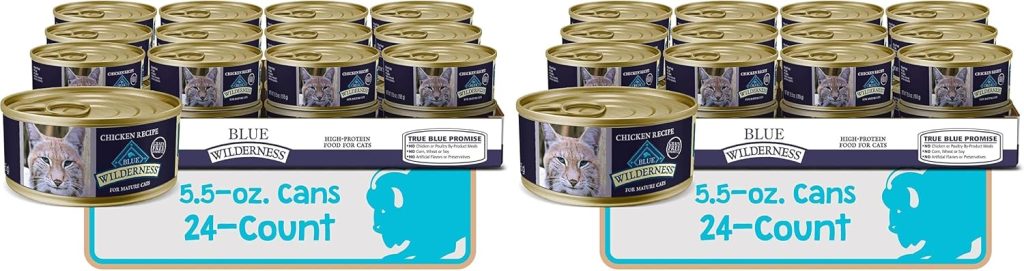
Blue Buffalo’s Indoor Health Natural Adult Dry Cat Food is tailor-made to address the health needs of indoor cats. Made with real chicken as the first ingredient, it offers a high-quality protein source that’s essential for maintaining lean muscle mass in a less active indoor lifestyle.
Key Benefits
- Weight management formula with carefully balanced calories from proteins and fats
- Includes life source bits—a precise blend of antioxidants, vitamins, and minerals
- Natural fiber sources to promote healthy digestion and limit hairballs
- Made without wheat, which can be trigger for allergies in some cats
It’s also enriched with omega fatty acids to help maintain healthy skin and a shiny coat, which is especially important for cats that spend all their time indoors.
2. Purina Cat Chow Indoor
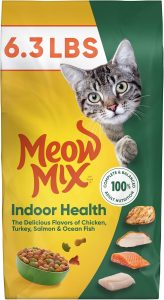
Purina Cat Chow Indoor is designed specifically for the needs of indoor cats. This formula offers a greater fiber content to help reduce hairballs—a common issue for indoor cats—and assist in weight management.
Key Benefits
- High in fiber to ease digestion and aid in hairball control
- Adapted calorie content helps maintain a healthy weight
- Included antioxidants for immune health
This food also uses a natural prebiotic fiber to promote digestive health, ensuring that your indoor cat absorbs all the nutrients they need from their diet.
3. Nutro Wholesome Essentials Indoor Cat Adult Dry Cat Food
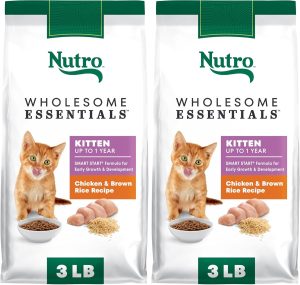
Nutro Wholesome Essentials is crafted with farm-raised chicken as the primary ingredient and offers a formula enriched with omega-6 fatty acids to nurture your cat’s skin and coat. Specifically designed for indoor cats, it replaces unnecessary calories with beneficial nutrients.
Key Benefits
- Farm-raised chicken as the first ingredient
- Contains fiber to reduce hairball formation
- No GMO ingredients and no artificial flavors or colors
This product supports a balanced diet and provides all essential antioxidants that help maintain a strong immune system, which is vital for indoor-only cats.
Expert Tips
Consistently measuring the right amount of cat food based on your cat’s weight and activity level is crucial. Because indoor cats are less active, they often require fewer calories. Consult your veterinarian to tailor your cat’s diet most effectively, and consider integrating wet food to help maintain hydration and urinary tract health.
Common Mistakes to Avoid
One major mistake cat owners make is overfeeding. Indoor cats require fewer calories, and without careful monitoring, they can easily become overweight. Avoid leaving food available at all times (a practice known as free feeding). Instead, adhere to a structured feeding schedule. Also, be wary of foods with fillers and artificial additives that could harm your cat’s health in the long run.
Frequently Asked Questions
How often should I feed my indoor cat?
Adult cats do well with two measured meals per day, which keeps their metabolism steady and manages hunger. Puppies and kittens require more frequent feeding.
Is dry food or wet food better for indoor cats?
Both can be beneficial. Dry food is good for dental health while wet food helps with hydration. A mixture of both could provide a balanced diet.
Do indoor cats need different nutrients from outdoor cats?
Yes, generally indoor cats require fewer calories but might need more fibers and certain nutrients to combat sedentary lifestyle issues like obesity and hairballs.
Is grain-free cat food a healthier option?
Not necessarily. Grain-free can be beneficial for cats with specific allergies but isn’t inherently healthier. Quality and balance of ingredients matter more.
How can I tell if my cat is overweight?
Check with your vet, but signs include lack of visible waist, difficulty in feeling the ribs, little to no palpable fat, and a rounded abdomen.
Final Thoughts
Selecting the right food for your indoor cat is a ponderous decision that impacts their health, happiness, and lifespan. The products listed in this guide deliver on nutritional needs specific to indoor lifestyles, catering to various health concerns like obesity and hairball control. Remember, always adjust the portion sizes and type of food based on your veterinarian’s recommendations and monitor your pet’s health changes. Each cat is unique, and what fuels their vitality most effectively might differ. Let’s ensure our indoor friends live as blissfully as they bask in their favorite sunlit spots!